
Fall Prevention Tips for Colorado Seniors
Colorado-Specific Considerations
Winter Ice and Snow
Colorado winters bring icy sidewalks, driveways, and steps — a significant fall risk for seniors. Encourage the use of ice grips or traction cleats for outdoor walking during icy conditions, and ensure walkways are cleared and salted promptly after snowfall. When possible, avoid unnecessary trips outside during particularly icy conditions.
High Altitude Effects
Colorado’s altitude can affect balance and cause dizziness, particularly for those newer to the area or managing certain health conditions. Staying well-hydrated and moving slowly when standing up can help minimize altitude-related dizziness.
Uneven Terrain
Many Fort Collins neighborhoods and trails feature uneven sidewalks, gravel paths, or sloped terrain. When walking outdoors, sturdy, well-fitting shoes with good tread can provide better stability than slippers or worn-out footwear.
Physical and Health-Related Prevention Strategies
Encourage Regular, Appropriate Exercise
Strength and balance exercises — such as those often included in physical therapy or senior fitness classes — can meaningfully reduce fall risk over time by improving stability and muscle strength.
Review Medications Regularly
Certain medications, or combinations of medications, can cause dizziness or drowsiness that increases fall risk. Regular medication reviews with a physician or pharmacist can help identify and address these risks.
Schedule Regular Vision and Hearing Checkups
Vision and balance are closely connected, and undiagnosed vision changes are a common but often overlooked contributor to falls. Annual vision checkups help ensure any changes are caught and corrected promptly.
Address Footwear
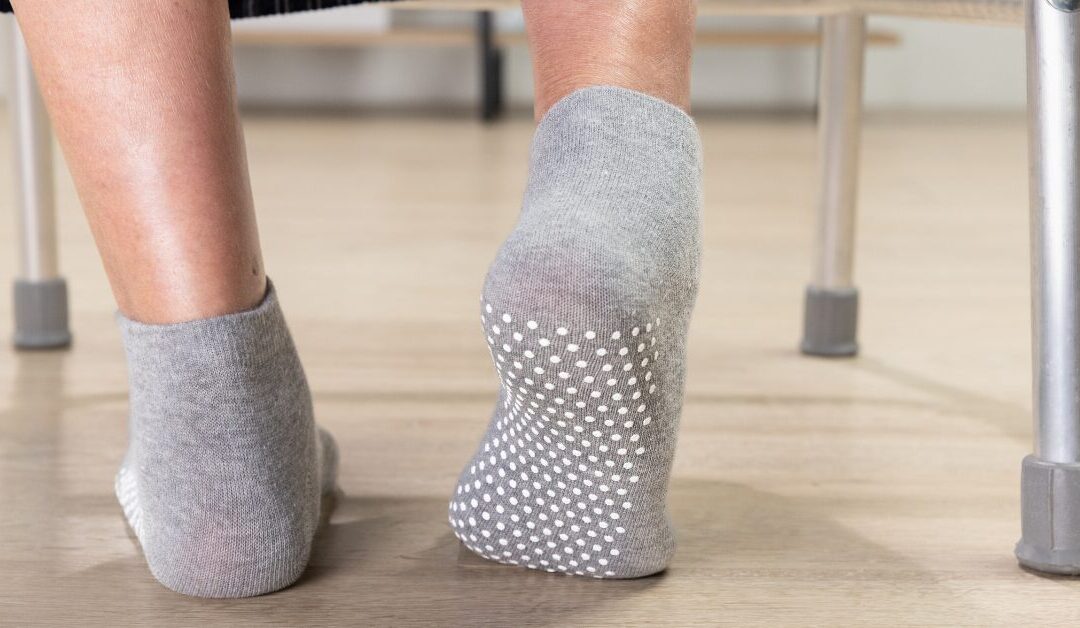
Ill-fitting shoes, worn-out soles, or walking in socks or slippers on hard floors can all increase fall risk. Supportive, properly fitted shoes with good tread should be worn both indoors and outdoors.
The Role of a Caregiver in Fall Prevention
A consistent caregiver presence plays a significant role in fall prevention — not just through direct physical assistance, but through ongoing awareness of a senior’s changing mobility, medication side effects, and home environment. Caregivers can help with daily mobility support, accompany seniors on walks or errands, and identify emerging safety concerns before they lead to an injury.
How Riverside Home Care Supports Fall Prevention
At Riverside Home Care, fall prevention is built into every care plan. Our caregivers are trained to recognize mobility challenges, assist safely with transfers and walking, and help create a safer home environment — giving Fort Collins families peace of mind through every season.
Frequently Asked Questions
What should I do immediately after my loved one experiences a fall?
Even if there’s no obvious injury, it’s important to monitor for signs of concussion, confusion, or delayed pain, and to consult a physician, particularly if the person hit their head or is on blood-thinning medication.
How often should we do a home safety assessment?
It’s worth reassessing home safety annually, or immediately after any fall, hospitalization, or significant change in mobility.
Are fall alert devices worth considering?
Medical alert devices can provide an added layer of safety, particularly for seniors who spend time alone, allowing for quick assistance in the event of a fall.
Can home care help specifically with fall prevention?
Yes — caregivers can assist with safe mobility, accompany seniors during transfers, help implement home safety modifications, and provide an extra set of eyes to catch emerging risks.
Fall prevention is one of the most important ways to help a loved one stay safe and independent. Learn More about Home Care in Fort Collins or contact our team to discuss a personalized safety plan.
Related reading: Helping Your Parents Age at Home in Fort Collins | 5 Signs It’s Time for In-Home Care in Fort Collins