
7 Signs Your Aging Parent May Need Help at Home
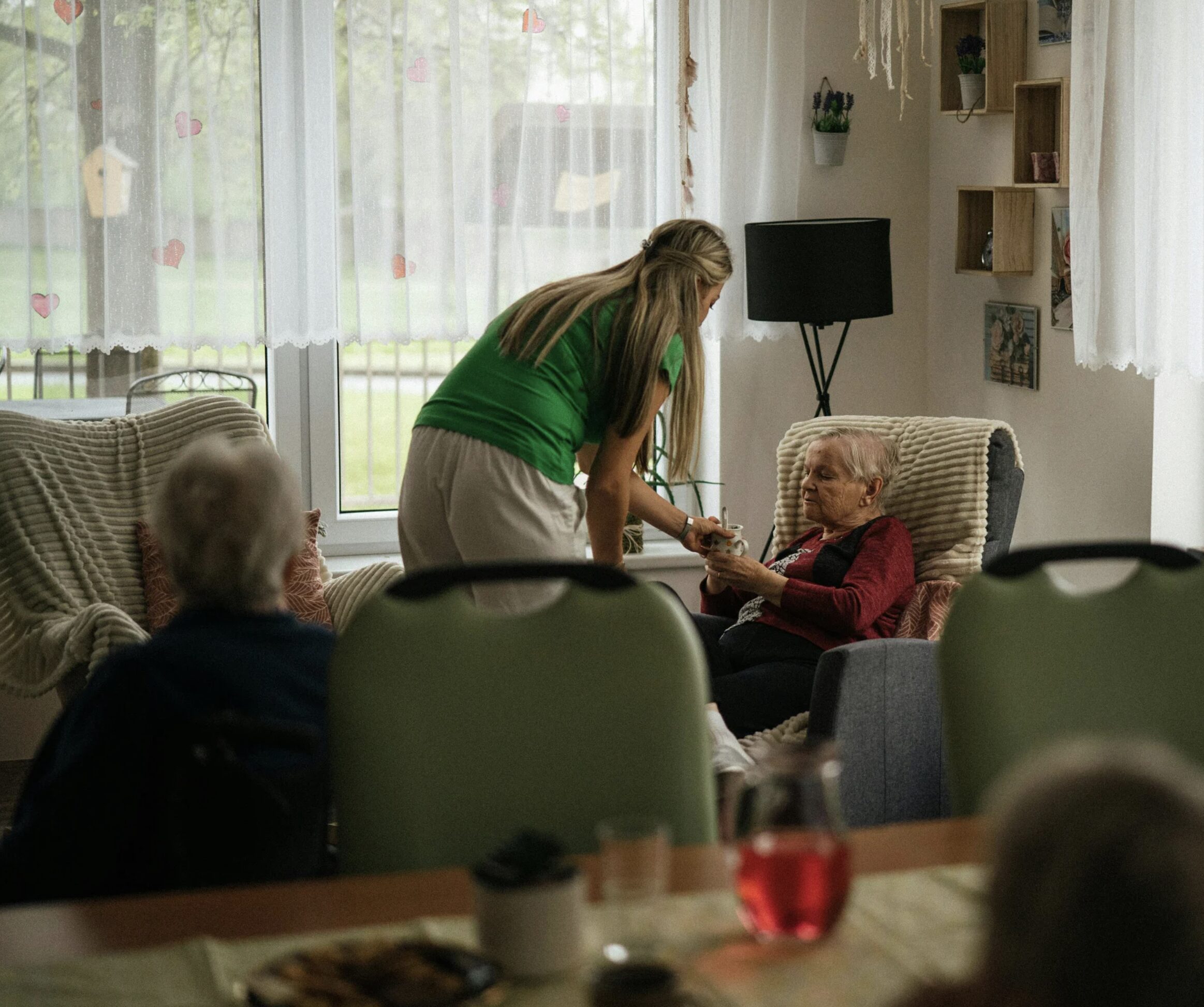
2. Meals Are Becoming Less Frequent or Nutritious
Cooking for one can become difficult, especially when mobility, energy, or transportation changes.
Look for signs such as an empty refrigerator, spoiled food, skipped meals, noticeable changes in eating habits, or relying heavily on convenience foods.
A Care Professional can help with grocery shopping and meal preparation while also providing companionship during mealtime.
3. Driving Is Becoming Difficult
Giving up driving can feel like giving up independence.
But transportation doesn’t have to mean losing access to the things someone loves.
With additional support, an older adult may still be able to attend appointments, visit friends, go shopping, get their hair done, attend church, or participate in community activities.
The goal isn’t simply getting from one place to another. It’s helping someone remain connected to their life.
4. Personal Care Is Becoming More Difficult
Changes in grooming, bathing, dressing, or other personal routines can be difficult for families to discuss.
Approaching these changes with dignity and compassion is important.
Personal care assistance can provide respectful support while helping an older adult maintain as much independence as possible.
5. They’re Becoming More Isolated
Loneliness and social isolation can become concerns when an older adult stops driving, loses a spouse, experiences mobility changes, or lives far from family.
Sometimes what a person needs most is companionship.
Sharing coffee, taking a walk, working on a favorite hobby, going to lunch, or simply having someone to talk with can bring meaningful connection back into everyday life.
6. You’re Constantly Worried
Sometimes the sign isn’t something happening with your parent.
It’s what’s happening with you.
If you find yourself constantly checking the phone, making frequent trips across town, missing work, coordinating schedules with siblings, or worrying about what might happen when no one is there, your family may benefit from additional support.
Home care can provide peace of mind for family members while helping their loved one remain at home.
7. Something Has Changed After a Hospital Stay or Fall
A hospitalization, fall, illness, or other health event can change what someone needs at home.
Families are often given a lot of information during discharge and may suddenly find themselves trying to coordinate appointments, meals, transportation, household responsibilities, and everyday routines.
Starting the conversation about home care before discharge can make the transition home easier to navigate.
Home Care Doesn’t Have to Mean Giving Up Independence
One of the biggest misconceptions about home care is that accepting help means someone can no longer be independent.
We see it differently.
Sometimes a little support is exactly what helps preserve independence.
A ride can mean continuing to meet friends for lunch.
Help around the house can make remaining at home more manageable.
Meal preparation can make everyday life easier.
Companionship can help someone stay engaged and connected.
The right amount of support looks different for every person.
Start the Conversation Before There’s a Crisis
You don’t have to wait until something happens to start exploring your options.
Riverside Home Care provides compassionate, non-medical home care for individuals and families in the communities we serve throughout Colorado and Wyoming.
Our team starts by listening—to what your loved one needs, what they want to continue doing for themselves, and what matters most to your family.
If you’ve started noticing changes in someone you love, now may be a good time to start the conversation.
Schedule a consultation with Riverside Home Care to learn how personalized in-home support can help someone you love remain safe, connected, and independent in the home of their choice.